Why AI Beats Voicemail for After-Hours Emergency Calls
Emergency calls after hours are your highest-value, most time-sensitive inbound leads. Here's why voicemail loses them and AI captures them every time.

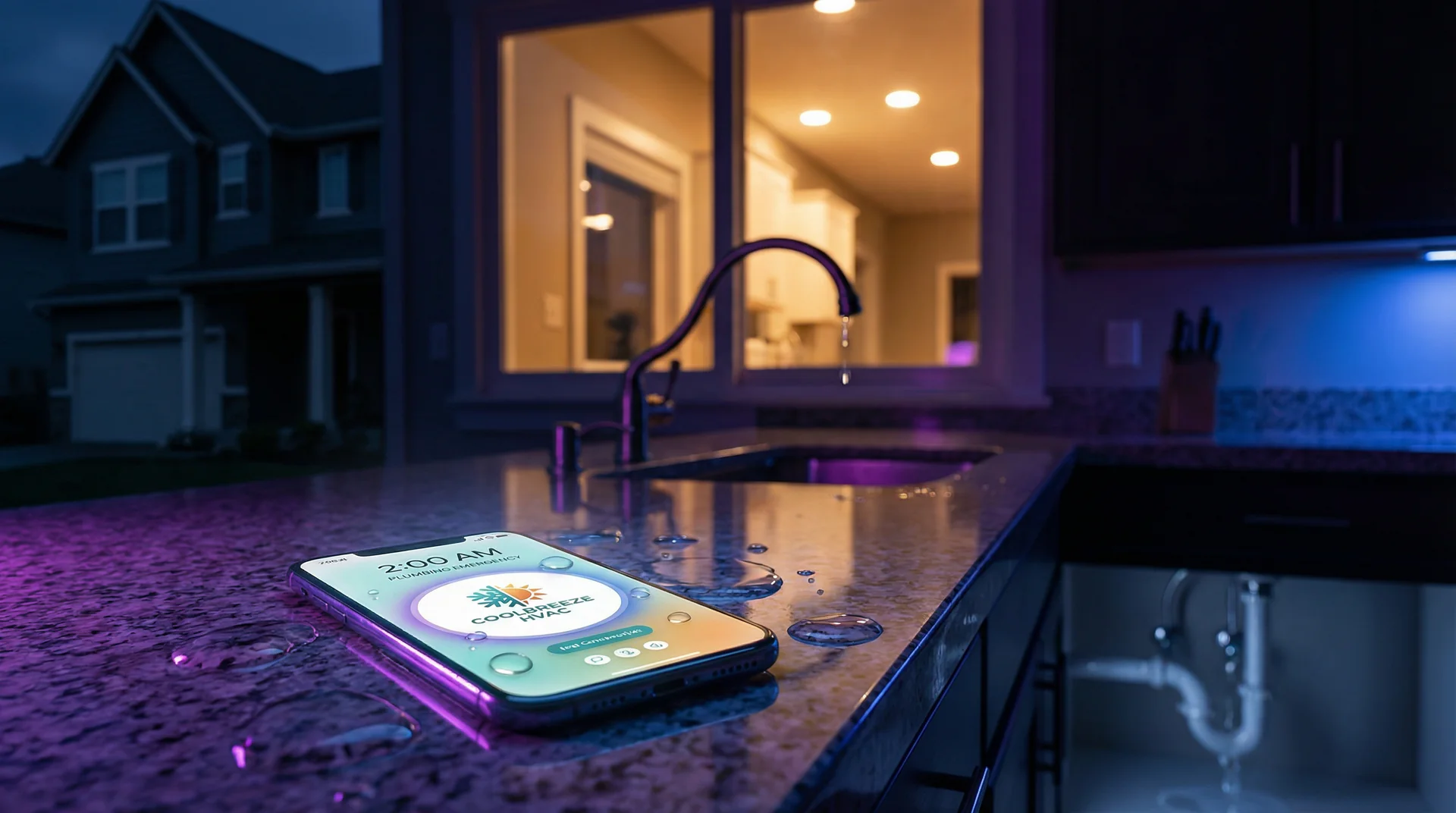
It’s 2:17 AM. A homeowner wakes up to the sound of water gushing in their basement. A pipe burst. Water is rising. They grab their phone and call the plumber they used last year.
Voicemail. “We’re sorry, our office is currently closed. Please leave a message and we’ll return your call during normal business hours.”
The homeowner doesn’t leave a message. They’re standing in ankle-deep water. They need help now, not at 8 AM. They Google “emergency plumber near me” and call the first three results. The one that answers gets a $500 to $1,200 emergency job.
This scenario plays out thousands of times every night across every service industry. The businesses that answer after-hours emergency calls get the job. The businesses that send callers to voicemail get nothing.
Why Voicemail Fails for Emergencies
Voicemail was designed for messages that can wait. “Hey, I’d like to schedule a cleaning next week. Call me back when you get a chance.” That’s a voicemail-appropriate call.
Emergencies are the opposite. They can’t wait. And the caller’s mental state is the opposite of patient message-leaving. They’re panicked, frustrated, or scared. They don’t want to leave a message and hope. They want to know that someone is handling their problem.
Here’s what actually happens when emergency callers hit voicemail:
They don’t leave a message. The stat is overwhelming and consistent: 80 to 92% of after-hours callers (depending on urgency level) hang up without leaving a message. For true emergencies, the number is even higher.
They call competitors immediately. An after-hours emergency caller doesn’t wait and try again tomorrow. They call the next business in their search results. And the next one. Until someone answers.
They never come back. Even if you call them back the next morning, the job is done. Another plumber fixed the pipe. Another locksmith opened the door. Another HVAC company got the furnace running. You didn’t just lose one job. You potentially lost a customer.
What After-Hours Emergency Calls Are Actually Worth
After-hours emergency calls are consistently the highest-value calls any service business receives. The urgency premium, the after-hours rate, and the immediate nature of the work all push the value up.
Plumbing emergencies: $500 to $1,200 for burst pipes, sewer backups, flooding. The Night Owl handles these calls, assessing urgency and dispatching the on-call tech.
HVAC emergencies: $300 to $800 for heating failures in winter, AC failures during heat waves. The Emergency Responder triages between true emergencies and issues that can wait until morning.
Locksmith emergencies: $150 to $400 for lockouts, broken locks, security breaches. The Lockout Responder captures location, lock type, and urgency, then dispatches the nearest available tech.
Electrical emergencies: $250 to $600 for sparking outlets, power outages, burning smells. The Emergency Dispatcher handles commercial and residential emergencies with appropriate routing.
Property management emergencies: A burst pipe in unit 304 at midnight needs immediate dispatch. A running toilet can wait. The Maintenance Dispatcher triages tenant calls around the clock.
The Triage Layer: Why It Matters
Not every after-hours call is an emergency. A caller at 9 PM who wants to schedule a cleaning for next week isn’t urgent. A caller at 9 PM with a gas smell is. The difference between these two scenarios is everything.
Without triage, you have two bad options. Either your on-call tech gets woken up for every call (including the non-urgent ones, which burns them out fast), or every call goes to voicemail (including the genuine emergencies, which costs you the job and potentially puts someone in danger).
AI provides the triage layer that voicemail can’t. It asks the right questions to determine urgency. “Is there water actively flowing?” “Can you smell gas?” “Is anyone in immediate danger?” “Is there visible damage occurring right now?”
Based on the answers, it routes appropriately:
Immediate dispatch: Active flooding, gas smells, electrical burning, complete heating failure in extreme cold, complete AC failure with vulnerable individuals Urgent next-morning: Slow leaks, intermittent issues, equipment not performing optimally but still functional Normal scheduling: Maintenance requests, estimates, routine appointments
This triage protects your on-call tech from unnecessary middle-of-the-night calls while ensuring genuine emergencies get immediate attention.
What Callers Experience at 2 AM
Here’s how a real after-hours emergency interaction sounds.
Phone rings once. AI answers: “I’m here to help with your plumbing emergency. Tell me what’s happening and I’ll get someone headed your way.”
“There’s water everywhere. A pipe burst in the basement. It’s flooding.”
“I understand, that’s a stressful situation. Let me get a technician dispatched right away. First, do you know where your main water shut-off valve is? Turning it off will stop the flow while we get someone to you.”
The AI provides immediate guidance (shut off the main valve, move electronics away from water, check the electrical panel for any tripped breakers near the water), then captures the address, contact number, and access instructions. It dispatches the on-call tech with a text and alert containing all the details.
The caller knows help is coming within 5 minutes of dialing. Compare that to the voicemail experience: leave a message, panic, Google competitors, call three more businesses, finally get someone 30 minutes later.
The On-Call Tech’s Perspective
After-hours coverage without AI is brutal on the on-call person. Every call that comes to their personal phone disrupts their sleep, their family time, and their ability to rest before the next workday.
Many of those calls turn out to be non-emergencies. “My toilet is running.” “My faucet drips.” “I want to get an estimate for a new water heater.” These calls don’t need a 2 AM response, but without triage, the on-call tech has to take them all.
AI filters the calls so the on-call tech only gets woken up for genuine emergencies. The non-urgent callers get booked for morning appointments. The tech gets better sleep, less burnout, and more focus when they do get dispatched.
This improves retention. On-call burnout is one of the top reasons experienced techs leave service companies. Reducing false alarms by 60 to 70% through AI triage directly addresses this.
Beyond Emergency Dispatch: Capturing All After-Hours Value
Emergency calls are the most dramatic after-hours scenario, but they’re not the only valuable calls that come in outside business hours.
The comparison shopper. A homeowner gets home from work at 6:30 PM and starts calling contractors for estimates on their bathroom remodel. Your office closed at 5. AI captures the project details and books an estimate.
The researcher. Someone browsing your website at 10 PM has questions about services and pricing. They call because they want a quick answer. AI provides it and books an appointment if they’re ready.
The follow-up. A customer whose repair was done today calls at 7 PM because the issue came back. AI captures the details and flags it for priority morning service.
Each of these call types represents revenue that voicemail loses. Not emergency revenue, but steady revenue from customers who happen to be available outside your office hours.
- 92% of emergency callers hang up and call competitors
- Non-emergency callers book elsewhere the next morning
- On-call tech either gets every call or no calls (no triage)
- No immediate guidance for callers in distress
- Revenue lost every night you're closed
- Configured 24/7 coverage without waiting for a shared human operator
- Non-emergency callers booked for next morning automatically
- On-call tech only dispatched for true emergencies
- Callers get immediate safety guidance and reassurance
- Revenue captured around the clock
Setting Up After-Hours AI
Getting after-hours AI running is the simplest deployment scenario because the rules are clear: nobody else is answering, so the AI answers everything.
Start with your emergency criteria. Define exactly what constitutes an emergency for your business. Configure the AI to ask the qualifying questions. Set up the dispatch notification to your on-call team. Configure the booking system for non-emergency morning appointments.
The trades industry page shows after-hours voice genies for every trade. Each one is built for the specific emergency types that trade encounters.
Try The Night Owl to experience after-hours emergency call handling that captures every call and dispatches help within minutes.
Every night your business is closed, calls are coming in. Some are emergencies worth $500 or more. Some are leads worth thousands in lifetime value. All of them are going to voicemail. And from voicemail, they go to your competitors.
Explore after-hours voice genies built for emergency dispatch, next-morning booking, and 24/7 coverage.
Help Genie Tips
Get more from your voice genie

Build on-call schedules for after-hours routing
Different team members on different nights? Configure on-call schedules so your genie always routes calls to whoever is available, without you lifting a finger.

Sync appointments to Google Calendar or Outlook
When your genie books a showing, service call, or consultation, it can push the appointment directly to your calendar. No double-booking, no manual entry.

Set different genie behavior for after-hours calls
Your genie can act differently at night. Triage emergencies, collect more info from callers, or simply take messages. You control what happens when the office is closed.

Add custom pronunciations for your industry
Genie mispronouncing a brand name, medical term, or street name? Add custom pronunciations so your voice genie nails every word your callers expect to hear.
Ready to try it?
Set up a voice genie for your business in minutes.
Keep exploring
Further reading and useful tools
Best Jobber AI Receptionist Alternatives (2026)
Honest roundup of Jobber AI Receptionist alternatives for home service businesses. Compare native Jobber add-ons, voice genies, and field-service AI CSRs.
ComparisonBest Sameday AI Alternatives (2026)
Honest roundup of Sameday AI alternatives for home service businesses. Compare minute bundles, flat-rate voice genies, and field-service AI receptionists.
GuideAI Answering Service for Australia: A Complete Setup Guide
How Australian service businesses deploy voice AI genies on local numbers — AUD pricing, Sydney and Melbourne context, after-hours triage, and a practical path to go live.
GuideAI Receptionist for New Zealand Businesses: A Practical Setup Guide
How Kiwi trades and service businesses deploy a voice AI genie on NZ phone numbers — NZD pricing, local spelling, after-hours triage, and a six-step path to go live.
Case StudyBlueLine Plumbing: After-Hours Voice AI Triage for Auckland Trades
How an Auckland plumbing firm used a branded voice genie to capture after-hours emergencies and routine bookings — illustrative scenario with example metrics.
Use CaseYour Parts Catalogue Shouldn't Live Inside One Person's Head
When your best counter person goes on leave, the whole counter struggles. Here's how a voice AI genie reads your full parts catalogue so your team doesn't have to.
Help Genie
The Help Genie Team
The Help Genie team builds voice AI genies that resolve everyday support on their own — across phone, chat, web, and email — in your voice, 24/7. We write about what we learn shipping it to real businesses.
Building voice AI for 11+ industries, from trades to hospitality.
- voice AI
- customer support
- lead capture
- multi-channel genies