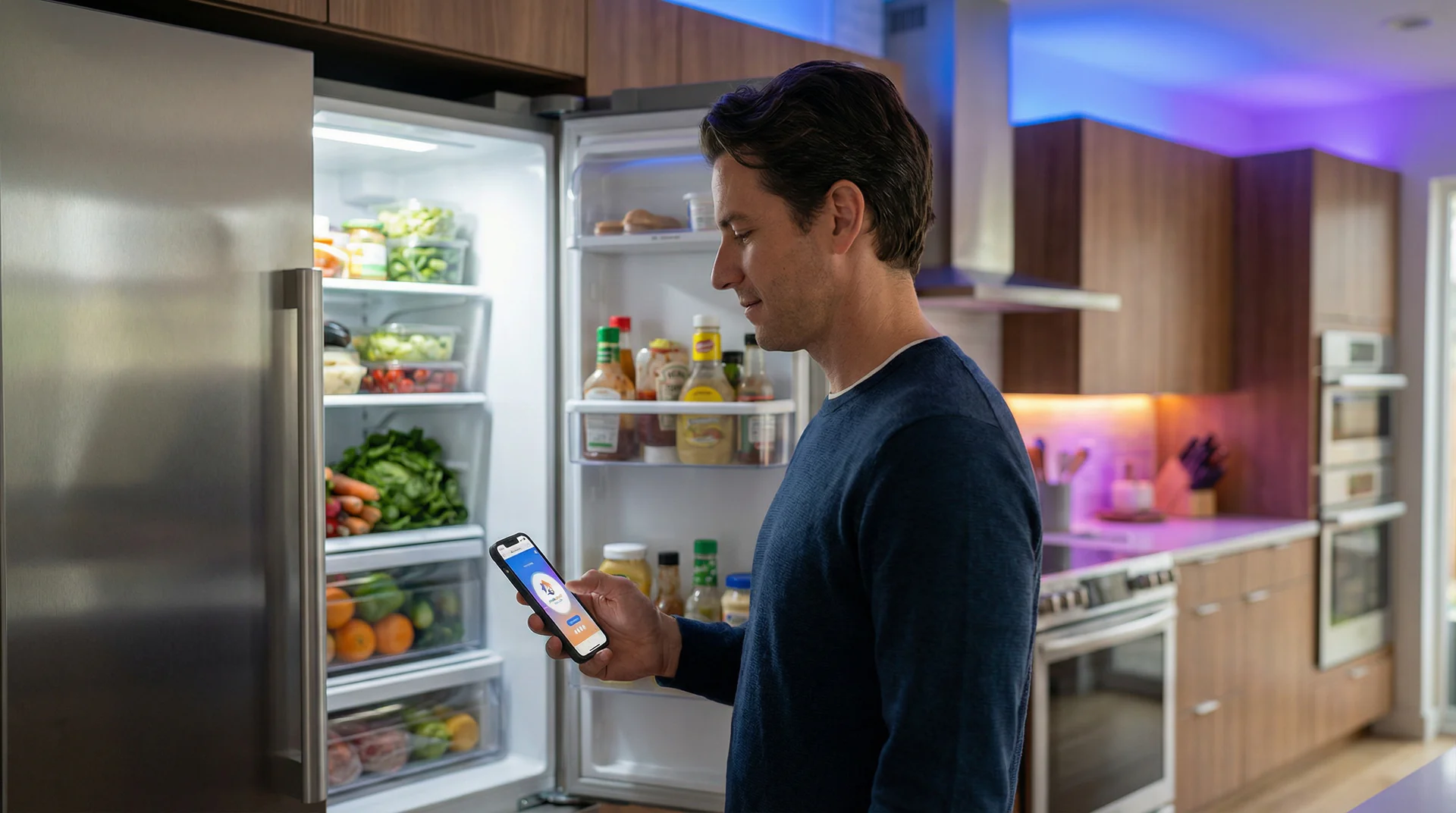
AI-Powered Call Handling for Appliance Repair, From Troubleshooting to Dispatch
Appliance repair companies lose stressed customers to voicemail every day. Learn how AI handles triage, troubleshooting, and dispatch to capture every call.

When a refrigerator stops cooling on a Friday afternoon, the customer calling for help is already stressed. They have perishables to worry about, a weekend ahead with no appliance, and a short window before food goes bad. If they hit voicemail, they hang up within 10 seconds and call the next company in their search results.
Appliance repair is one of the few service industries where urgency is built into almost every call. AI-powered call handling for appliance repair companies addresses this directly. Not by replacing your technicians, but by making sure every stressed customer gets an immediate, intelligent response instead of a dial tone.
Why Appliance Repair Calls Are Different
Most service businesses get a mix of urgent and routine inquiries. Appliance repair skews heavily urgent. A broken dishwasher is inconvenient. A leaking washing machine can cause water damage. A failed refrigerator is a food safety emergency.
Customers calling about these issues aren’t in the mood to navigate a phone tree or wait on hold. The appliance repair industry faces a specific challenge: the calls that matter most, the emergencies that generate same-day premium dispatch fees, are also the calls most likely to be lost when phones go unanswered.
The challenges are predictable:
- Emergency repair requests that require immediate assessment
- Calls that come in outside business hours, especially for refrigerator and water-related failures
- Dispatchers spending time on calls that turn out to be DIY fixes
- Technicians arriving without adequate information, leading to second trips for parts
AI handles all four.
- Emergency calls hit voicemail after hours
- Dispatchers waste time on DIY-fixable issues
- Technicians arrive without adequate information
- Second trips needed because parts weren't on the truck
- Configured intake with emergencies triaged by severity
- Simple fixes resolved over the phone, no truck roll needed
- Brand, model, and symptoms captured before dispatch
- Higher first-visit fix rates with better intake data
The Troubleshooter: Reducing Unnecessary Dispatch
One of the more counterintuitive benefits of AI in appliance repair is call deflection. Not losing callers, but resolving their issue without a truck roll. A significant portion of appliance calls involve problems that don’t require a technician: circuit breakers that need resetting, filters that haven’t been cleaned, error codes with straightforward fixes, door seals that have come loose.
The Troubleshooter walks customers through basic diagnostic steps before scheduling a service visit. Its opening is the start of a structured conversation: “Having trouble with an appliance? Let me help you troubleshoot. What’s going on?” From there, it works through:
- What appliance is affected and what’s happening
- Basic checks (power supply, error codes, filter status, door seals)
- Whether the fix is within the customer’s ability
- If not, scheduling service with all relevant details already captured
When the Troubleshooter resolves an issue without a dispatch, the company saves the cost of a truck roll. When it confirms a service is needed, it captures the appointment with the appliance brand, model, and symptom description already on record. Your technician arrives prepared rather than starting from scratch.
This dual function is what separates AI troubleshooting from a simple answering service.
The Emergency Dispatcher: Prioritizing What Actually Matters
Not every call can wait until Tuesday. A refrigerator failure with food at risk, a dishwasher leaking onto the kitchen floor, a dryer that stopped mid-cycle with wet clothes inside. These situations have different urgency levels, and a good dispatch operation treats them accordingly.
The Emergency Dispatcher assesses every call for severity before routing it. Its approach is direct: “Having an appliance emergency? I’m here to help. Tell me what’s happening and we’ll get you taken care of.”
From there, it works through a triage sequence:
- What appliance is affected? Refrigerator failures rank higher than dryer issues.
- What’s the nature of the problem? Active water leak vs. appliance not starting. Very different priorities.
- Is there immediate safety or property risk? A washing machine that’s flooding a basement gets a different response than one that won’t spin.
- Is there a food safety concern? A refrigerator not cooling for 4 hours needs a faster response than one that’s running warm.
The Emergency Dispatcher then collects address and contact information and queues the job based on assessed priority, not the order in which calls came in. A broken fridge with perishable food at risk moves ahead of a squeaky dryer. Your dispatchers make better decisions because the AI has already done the first level of triage.
A Scenario Walkthrough: The Friday Afternoon Refrigerator Call
It’s 4:45 PM on a Friday. A customer calls because their refrigerator stopped cooling an hour ago. Groceries bought this morning, kids home for the weekend.
Without AI: the call goes to a dispatcher who’s juggling three other end-of-day calls. They take basic information, but the question about warranty status gets skipped. They promise to call back Monday. The customer hangs up and immediately calls the appliance repair company they saw advertised on Google.
With AI: The Emergency Dispatcher picks up immediately. Within 90 seconds, it has collected the appliance brand and model (which it uses to check basic warranty parameters), the symptoms, the customer’s address, and whether the situation is urgent. It assesses that an active refrigerator failure with food safety concern qualifies for emergency dispatch, queues the job with all collected details, and tells the customer someone will contact them within the hour.
The difference isn’t the technology. It’s the outcome. One company captures a customer in a high-stress moment and delivers on its promise. The other generates a voicemail that won’t get checked until Monday.
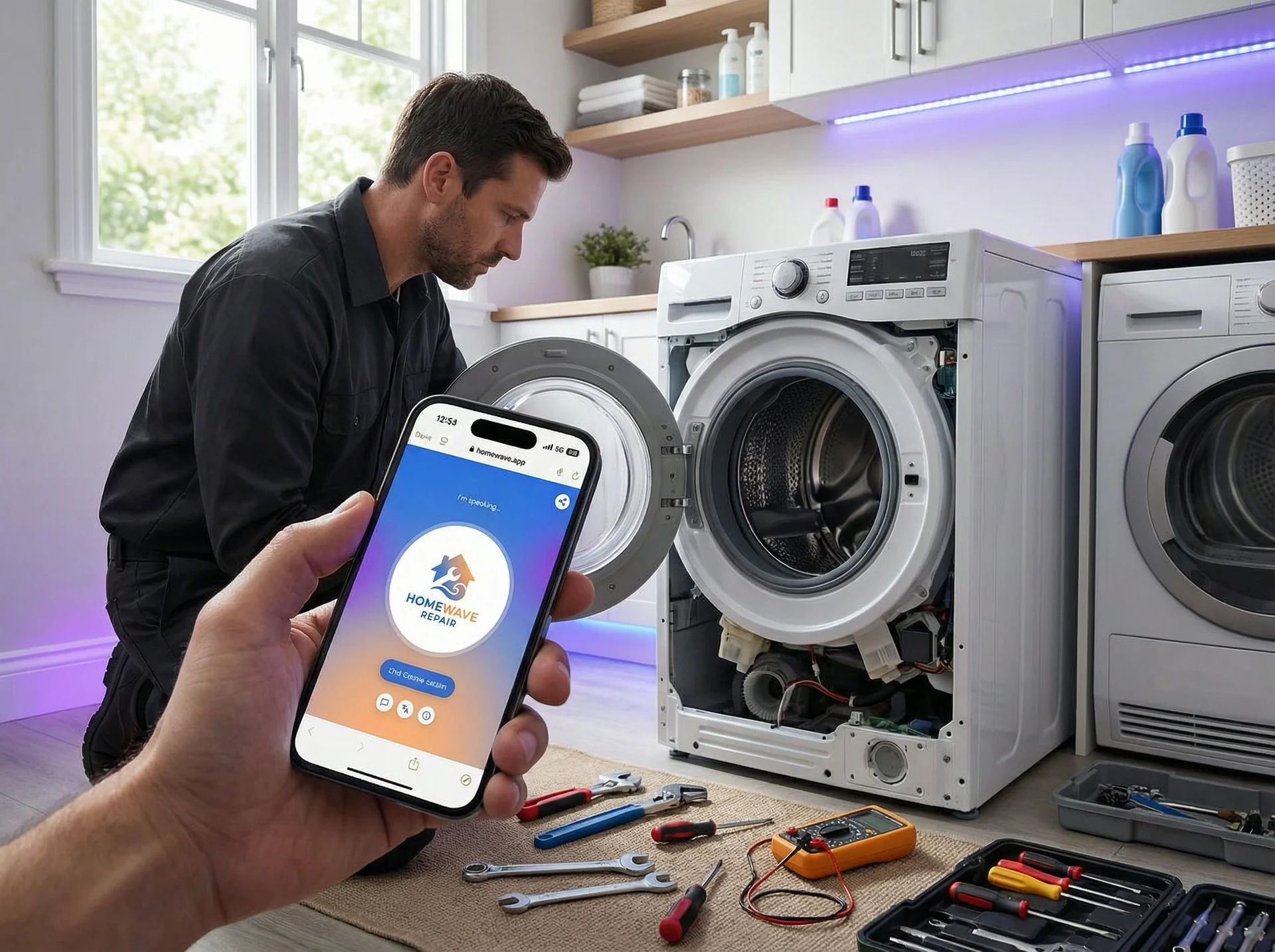
Try the Emergency Dispatcher, your urgent repair specialist to see how it handles a refrigerator emergency call.
Parts Pre-Identification: First-Visit Fix Rates
One of the friction points in appliance repair that customers complain about most is the “diagnostic visit” that results in the technician ordering parts and scheduling a second visit. This is often unavoidable, but it’s significantly less common when the AI has captured good intake information upfront.
When a customer describes their symptoms and provides the appliance brand, model number, and specific failure mode, your technicians can arrive with the most likely parts already on the truck. A dishwasher that’s not draining with a specific brand and model often points to a small set of likely failure components. A technician who arrives prepared has a much higher first-visit fix rate.
The Troubleshooter and Emergency Dispatcher both collect model information as part of their intake flow. This happens during the call, before anyone picks up a wrench.
First-visit fix rates improve dramatically when AI captures the appliance brand, model number, and specific failure mode during intake. Your technician arrives with the right parts instead of making a diagnostic-only visit.
After-Hours Coverage for a Business That Runs 24/7
Appliances don’t fail on a schedule. Refrigerators stop cooling at 11 PM. Washing machines start leaking on Saturday morning. Water heaters fail on Sunday afternoon. If your appliance repair company’s after-hours coverage is a voicemail box, you’re losing a meaningful portion of your potential emergency revenue to competitors who actually answer.
AI call handling at appliance repair operates around the clock without an on-call dispatcher fielding routine calls at inconvenient hours. True emergencies get escalated to your on-call tech. Everything else gets scheduled for the next available slot, with complete intake information already captured.
Appliance repair companies that capture every call and triage intelligently run more efficiently and lose fewer customers to competitors. Help Genie’s appliance repair genies handle the full intake flow, from basic troubleshooting to emergency dispatch, so your team focuses on the service calls that require their expertise.
See how it works at appliance repair.
Help Genie Tips
Get more from your voice genie

Add custom pronunciations for your industry
Genie mispronouncing a brand name, medical term, or street name? Add custom pronunciations so your voice genie nails every word your callers expect to hear.

Keep answers fresh with real-time knowledge updates
Seasonal pricing? New menu items? Updated hours? Edit your knowledge base anytime and changes go live immediately. No retraining, no downtime.

Route urgent calls to a real person instantly
Set up smart transfer rules so your genie hands off to the right team member when it detects urgency, a VIP caller, or a question it cannot answer. Conference or warm handoff.

Capture exactly the info you need from every caller
Define custom fields your genie should collect: budget, timeline, property type, vehicle make, service needed. Every call ends with structured data, not a scribbled note.
Ready to try it?
Set up a voice genie for your business in minutes.
Keep exploring
Further reading and useful tools
Voice AI for Appliance Warranty Claims With Faster Resolution and Fewer Escalations
Warranty claim calls are high-volume and repetitive. Learn how AI voice genies verify warranty status, capture issue details, schedule service, and route only complex cases to human agents.
GuideVoice AI for Appliance Businesses: The Complete Guide
A complete guide to voice AI for appliance retail, repair, and electronics businesses covering missed calls, setup, warranty handling, and measuring ROI.
Use CaseIs This Covered? How a Genie Answers Warranty Questions the Right Way, Every Time
Voice AI that reads your warranty terms verbatim and gives customers consistent, accurate answers on any channel, 24/7. No guessing. No over-promising.
GuideHow to Build a Settlement-Day Genie for Your Appliance Handover Pack
Turn 11 appliance manuals into one voice AI genie new homeowners actually use. Step-by-step guide for builders and appliance retailers.
BlogPeak Season Call Handling for Appliance Retailers, From Holiday Kitchens to Summer Cooling
Appliance retailers face massive call surges during holiday and summer seasons. AI voice genies scale instantly to handle demand spikes without the costly hiring and training cycle.
ComparisonBest AgentZap Alternatives (2026)
Honest roundup of AgentZap alternatives for AI receptionists. Compare minute-based AI, flat-rate voice genies, and human answering services.
Help Genie
The Help Genie Team
The Help Genie team builds voice AI genies that resolve everyday support on their own — across phone, chat, web, and email — in your voice, 24/7. We write about what we learn shipping it to real businesses.
Building voice AI for 11+ industries, from trades to hospitality.
- voice AI
- customer support
- lead capture
- multi-channel genies